
Oil Stains on Leather Jacket: Can They Ever Be Fully Removed?
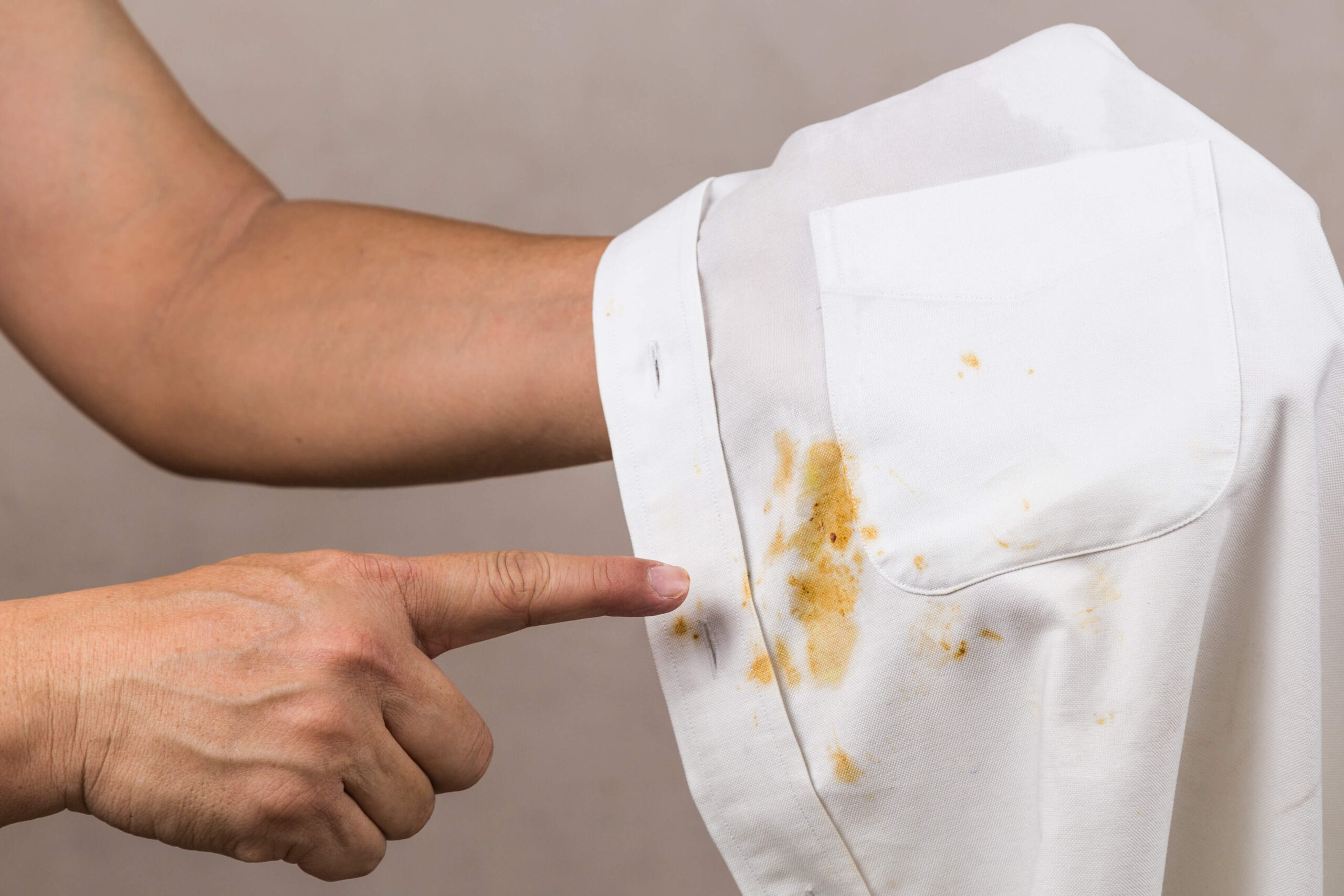
Most stain advice tells you to act fast, and most of the time that urgency is slightly overstated. Not with oil on leather. A fresh oil stain on smooth leather has a 60% to 90% chance of full removal with the right treatment. The same stain after a week drops to 30% to 60%.
After a month, you're looking at partial lightening, not full removal. The difference isn't which product you use. It's how much time passes before you use anything.
This guide covers the immediate steps, the four factors that determine your odds, and when a professional cleaner is the better call.
Why Leather and Oil Are an Especially Bad Combination
Leather is porous. Thousands of microscopic pores run through it, and they absorb liquid quickly. Water eventually evaporates back out. Oil doesn’t. It spreads sideways through the fibers instead of drying up, which is why a stain often looks bigger the next morning than it did the night before.
A second issue works against you. Oil strips the natural oils that keep leather flexible and supple. So even when you succeed in removing a stain, the leather underneath can end up drier or more prone to cracking than the material around it. Treating an oil stain means protecting the leather’s structure at the same time you’re lifting the mark, not just attacking the spot until it disappears.
This is also why household products built for other stains, like carpet cleaner or dish soap, tend to cause new problems instead of solving the original. They’re designed to work with water, and leather doesn’t respond to water-based cleaning the way fabric responds.
The First 24 Hours
Timing matters more than any product you reach for. A fresh stain sits in the top layer of pores, shallow enough for absorbent materials to pull most of it back out. After a day or two, the oil moves deeper into the fiber structure. After a week or more, it bonds chemically with the leather itself, and that’s much harder to undo.
If your stain is only hours old, jump to the home-method steps below and start there.
If it’s already been sitting for days or weeks, skip ahead to the professional cleaning section instead.
Early-stage treatments won’t do much for a stain that’s already set, so there’s no point wasting the time.
What Determines Whether Full Removal Is Even Possible
Your chances of removing an oil stain depend on more than the stain itself. Factors such as the type of leather, the kind of oil, and how long it has been there all influence the result. Here are the four biggest factors.
The Type of Leather: Smooth Has the Best Odds, Suede the Worst
Smooth, full-grain leather has a tighter surface that slows oil penetration and buys you time to act. Suede and nubuck don’t offer that buffer. Their raised nap grabs oil instantly and holds it in the fibers, so even a stain caught within the hour often leaves a visible, permanent patch.
If you’re working with suede, keep your expectations modest going in, and consider a professional assessment before trying anything yourself.
The Color: Dark Leather Forgives, Light Leather Doesn’t
Color changes how the result looks, even when the chemistry underneath is identical. On black, brown, or burgundy leather, a stain that’s lightened but not fully lifted usually blends into the surrounding color well enough to go unnoticed.
On cream, beige, or tan leather, that same partial result shows up clearly as a shadow. Two identical treatments can produce two very different-looking outcomes based on color alone.
The Type of Oil: Cooking Oil vs. Body Oil vs. Petroleum
Vegetable oils such as olive oil, canola, or salad dressing are the easiest to remove, since they’re partially water soluble. Body oil is tougher. It absorbs slowly through repeated contact and keeps spreading even after the surface looks clean, which is why collars and cuffs are usually the hardest spots to fully clear.
Petroleum-based oils, motor oil or machine grease, are the toughest of the three. They bond chemically with the leather instead of simply sitting inside it.
How Long Ago the Stain Happened
The age of the stain is the single biggest factor in determining whether it can be removed. Here's what you can realistically expect:
- Fresh stains (under 24 hours): Around a 60% to 90% chance of complete removal.
- Set stains (a few days to a few weeks): About a 30% to 60% chance of success, with partial removal being the most likely outcome.
- Old stains (months to years): Typically only a 10% to 40% chance of noticeable lightening, while complete removal is rare.
Home Methods That Sometimes Work (For Fresh Stains Only)
If your stain is fresh and your jacket is smooth leather, here’s how to remove an oil stain from leather with what’s already in your house.
- Blot the area with a clean, dry cloth. Don’t wipe; wiping spreads the oil instead of lifting it out.
- Cover the stain generously with an absorbent powder. Cornstarch, baby powder, and plain talc all work well.
- Let it sit for four to six hours, or overnight for a deeper stain.
- Brush away the powder and check your progress.
- Repeat the process if any shadow remains.
This method works through simple absorption, not chemistry, which makes it safe for most smooth leather. Skip it on suede, and skip it on stains older than a couple of days. Neither will respond well, and you’ll just lose time you could spend calling a professional instead.
Home Fixes That Make Oil Stains Worse
A few common instincts actively backfire on you.
- Soap and water push oil deeper into the pores and add a water stain on top of the stain you already have.
- Dish soap is the most widely shared internet recommendation for leather oil stains. It strips the leather’s natural oils along with the stain, leaving the leather dry and often discolored. It may appear to work initially while causing damage that shows up weeks later.
- Rubbing hard with a cloth roughs up the surface and spreads the oil sideways instead of lifting it out.
- A hairdryer or direct sunlight heats the oil, helping it penetrate faster instead of drying it out.
- Saddle soap applied to a fresh stain strips the leather’s protective coating and locks the oil in place.
Each of these feels productive at the moment. Each turns a treatable stain into a permanent spot. If your instinct is to scrub harder or dry it faster, resist it. Slower and gentler wins every time with oil on leather.
What Professional Leather Cleaning Actually Does Differently
Professional leather and suede cleaning isn’t a pricier version of what you tried at home. It’s a different process entirely. Technicians match the solvent to the specific oil involved instead of reaching for one product that’s supposed to handle everything.
They use heated absorbent powders and vacuum assisted extraction to reach oil that’s already sitting too deep for home methods to touch. Then they recondition the leather to replace the natural oils it lost during the cleaning process itself.
That last step is easy to overlook, but it’s what separates a real fix from a temporary fix. Any oil stain treatment, home or professional, tends to leave leather drier than it was before. A professional cleaner treats the overall condition of the leather, not just the visible mark on the surface.
In practical terms, professional cleaning typically improves on home method results by 30% to 60%, simply because the tools and solvents reach oil your kitchen cabinet never will.
How to Prevent Oil Stains on Leather Going Forward
Prevention costs far less than restoration, both in money and in risk to a piece you actually like to wear.
- Apply a leather protectant spray every few months. It takes about two minutes and cuts down how fast oil soaks into the pores.
- Skip wearing leather jackets directly against bare skin during activities that make you sweat heavily.
- Keep food and drinks away from leather pieces, especially anything with an oil-based dressing or sauce nearby.
- Treat new stains within hours, not days. The first 24 hours matter more than anything you try afterward.
Leather that’s cared for consistently holds up for decades. A little attention now saves you a much bigger repair bill later.
Bring Your Leather Jacket to Arrowhead Cleaners & Laundry
If your leather jacket has an oil stain, new or old, bring it in for an honest assessment before any treatment begins. Our leather and suede cleaning specialists use cleaning methods tailored to your item’s material, stain type, and condition, giving North Dakota customers realistic expectations and the best chance of restoring their favorite pieces.
Stop by, schedule a professional leather and suede cleaning, or call today to protect your investment with more than 60 years of trusted expertise.
📍 1140 N. 3rd St., Bismarck, ND, 58501, United States
🕒 Monday through Friday, 7:00 AM to 6:00 PM | Saturday, 9:00 AM to 3:00 PM
