
Is It Safe to Hand Wash Your Dry Clean Only Clothes?
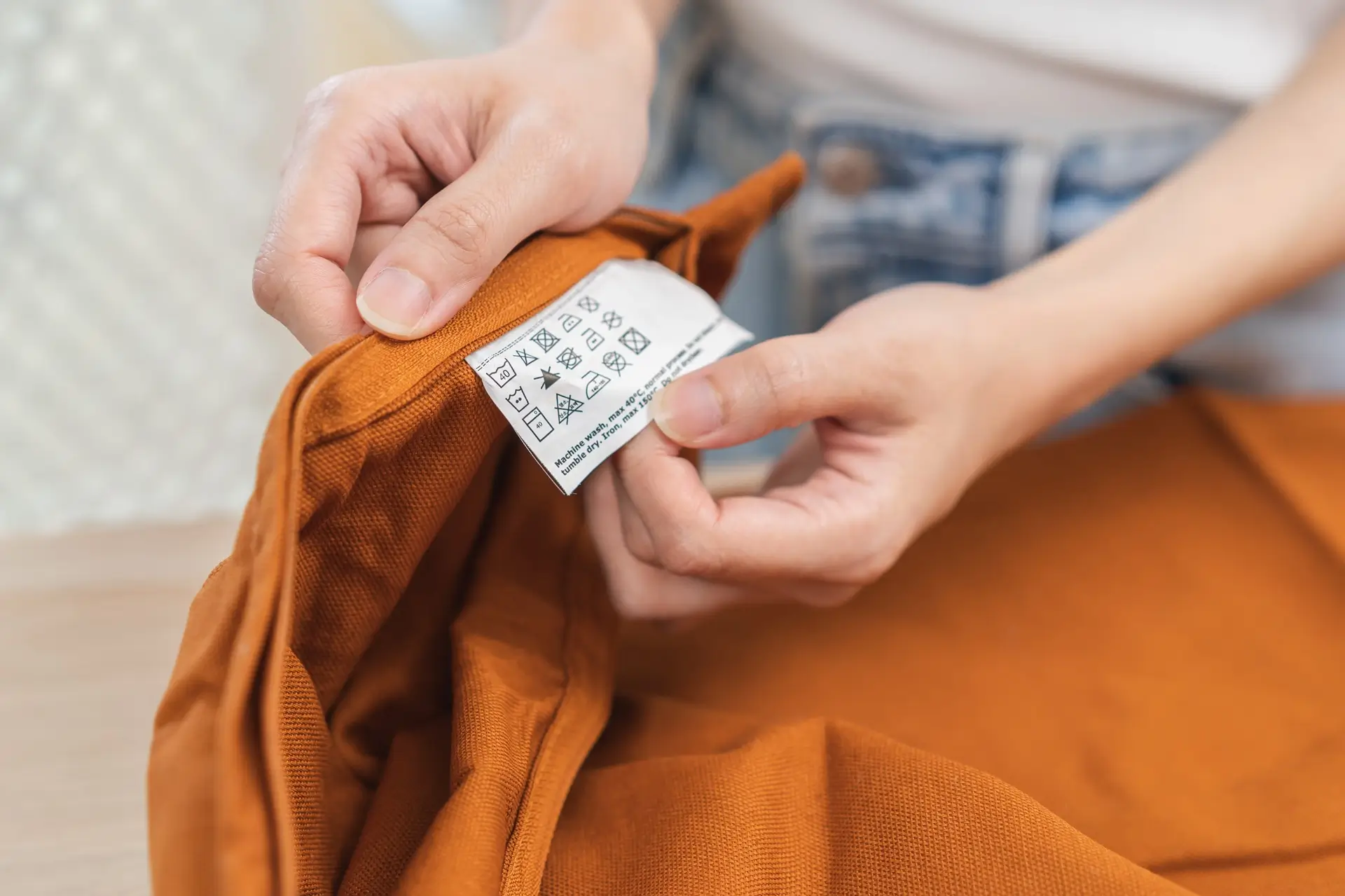
Can you actually hand wash that sweater, or is the label just being cautious? Sometimes yes. The tag alone won't tell you which, since manufacturers often print the strictest warning to protect themselves rather than to describe genuine fabric risk. What actually matters is fiber, construction, and trim, three checks that take under a minute and settle the question the label leaves open.
Get those three right, and you'll know exactly where you stand before a drop of water touches the fabric.
"Dry Clean" and "Dry Clean Only" Are Different Instructions
Whether or not it’s ok to hand wash dry clean only genuinely depends on these same distinctions, not a blanket yes or no. Check the care label before you place the garment in water. "Dry clean" generally identifies the manufacturer's recommended care method, but careful hand washing may still be possible for some pieces. "Dry clean only" gives a stronger warning that water could affect the fabric, dye, trim, lining, or shape.
Use the wording as your first risk check:
- Dry clean: consider hand washing only after checking the fiber, colorfastness, lining, and construction.
- Dry clean only: do not hand wash unless you accept the possibility of shrinkage, bleeding, distortion, or texture changes.
- Label missing: treat the garment cautiously, especially if it contains silk, wool, rayon, structured sections, or decorative trim.
The label alone does not tell you everything. Your next step is to identify from what the garment is made and how it is constructed.
What Actually Decides It: Fiber, Construction, and Trim
Fiber, construction, and trim determine whether or not your garment can handle hand washing. All three must tolerate water; one risky feature can outweigh everything else. Check them in that order before you fill the sink.
What Water Does to Wool, Silk, Rayon, and Linen
Individual fibers react to water in different ways:
- Wool and cashmere: you can sometimes hand wash unstructured pieces safely in cool water. However, heat, agitation, rubbing, and sudden temperature changes can cause felting, shrinkage, or distortion. If the garment feels heavily brushed, loosely knit, or especially delicate, do not risk it.
- Silk: water may leave rings, change the texture, or cause saturated dyes to bleed. Be especially cautious with dark colors, vivid prints, and garments that combine several colors. A hidden colorfastness test can reveal bleeding, but it cannot predict every possible change.
- Rayon and viscose: treat these fibers as high-risk. They can lose strength when wet, shrink noticeably, or change shape during washing and drying. Unless the label specifically allows hand washing, professional cleaning offers the safer choice.
- Linen and cotton: these fibers generally tolerate water better. Still, a dry clean only label may protect a crisp finish, rich dye, special coating, or carefully tailored shape, not just the fiber itself.
Why a Lined or Structured Garment Fails Even When Its Fabric Wouldn't
A lined or tailored garment contains several materials, even when the outer shell looks washable. The shell, lining, interfacing, padding, and seam supports may all react differently to water.
When those layers shrink at different rates, you may see:
- Puckered seams or rippled fabric.
- A lining that pulls against the outer shell.
- Collars, lapels, or waistbands that lose shape.
- Shoulder padding that shifts or bunches.
- Uneven hems and twisted panels.
Use a firm rule: do not hand wash garments with linings, shoulder structure, molded sections, stiffened collars, or tailored waistbands.
Trim can also rule out water. Avoid hand washing if you find:
- Glued beads, sequins, stones, or appliqués.
- Leather, suede, or fur accents.
- Unprotected metal decorations.
- Delicate lace or unstable embroidery.
- Mixed materials with different care needs.
A simple wool sweater may pass these checks. A cotton blouse with a lining, stiff collar, or glued decoration may fail them. Judge the entire garment, not only the main fabric listed on the tag.
The Garments You Can Usually Hand Wash Safely
Some unstructured garments can handle careful hand washing. You can usually proceed when the fiber tolerates water and the piece has no lining, stiff shaping, or delicate trim. Always test a hidden area for color bleeding first.
Good candidates include:
- Unlined cashmere or merino sweaters: use cool water and minimal movement.
- Pale, unlined silk blouses: proceed only after a successful colorfastness test.
- Simple cotton or linen pieces: expect possible changes to crispness or drape.
- Unstructured polyester or nylon knits: check for rayon or wool in the blend.
If the test area bleeds, puckers, or changes texture, stop and choose professional cleaning.
The Garments to Keep Out of Water Entirely
Some garments carry too much risk for home hand washing. Keep the following pieces out of the sink, even when the outer fabric seems water-safe. If your garment matches any item below, use professional cleaning.
- Structured jackets, suits, and tailored pieces: water can shrink the shell, lining, and interfacing at different rates, causing puckering or distortion.
- Leather, suede, or leather-trimmed pieces: water may remove natural oils, alter color, flatten texture, or leave the material stiff.
- Rayon and viscose crepe: these fabrics can weaken when wet, shrink, or lose their original shape and drape.
- Beaded or sequined garments: water can weaken adhesives, loosen threads, damage finishes, or cause decorations to fall off.
- Heat-set pleats: washing and agitation may relax the pleats and leave them uneven or flat.
- Vintage garments: aged fibers, unknown dyes, and older construction methods make the results difficult to predict.
What's Reversible, and What's Gone for Good If You Guess Wrong
What happens if you wash a dry clean only garment and get it wrong genuinely depends on the type and severity of the damage. A specialist may improve some changes, but no method can guarantee full restoration.
Sometimes reversible or improvable:
- Minor knit shrinkage.
- Slightly misshapen cuffs or hems.
- Light surface wrinkling.
- Small areas needing careful reblocking.
Often permanent or difficult to correct:
- Full-garment wool felting.
- Severe rayon shrinkage or distortion.
- Dye bleeding between colors.
- Warped interfacing or padding.
- Lost pleats or damaged decorative finishes.
This is why you should check the fiber, construction, and trim before washing. You are not simply choosing between hand washing and dry cleaning; you are deciding how much irreversible change you can risk. When the garment is valuable, tailored, or difficult to replace, professional care is the safer choice.
The Two-Minute Colorfastness Test to Run Before You Commit
Dampen a white cotton swab or cloth with cool water and press it firmly against an inside seam or hem allowance for thirty seconds. Any color transfer onto the swab means stop; the dye isn't stable enough for water.
Press that same damp swab against an inconspicuous spot on the outer fabric and let it air dry. If a ring forms as it dries, that's silk (or a silk blend) telling you it will do the same thing across the whole piece.
The Safe Hand Wash Method, Step by Step
Use this method only after the garment passes the fiber, construction, trim, and colorfastness checks. Keep the process cool, brief, and gentle from start to finish. Stop if you notice bleeding, distortion, or texture changes.
- Fill a basin with cool water. Avoid warm or hot water.
- Add a gentle detergent. Choose a pH-neutral product made for wool, silk, or delicates.
- Submerge and press gently. Do not rub, scrub, twist, or wring the garment.
- Soak for five minutes. A longer soak adds risk without guaranteeing better cleaning.
- Rinse with cool water. Keep the rinse temperature consistent and continue until the water runs clear.
- Remove excess water. Lay the garment on a towel, roll it gently, and press.
- Reshape and dry flat. Keep it away from direct sunlight, radiators, and other heat sources.
The Mistakes That Ruin a Garment Even When Hand Washing Was the Right Call
A hand washable garment can still suffer damage when you use the wrong technique. Most problems come from excess heat, movement, soaking, or harsh products. Avoid these mistakes from the moment you fill the basin.
- Using warm or hot water: heat increases the risk of felting, shrinkage, and dye bleeding.
- Wringing or twisting: force can stretch fibers, distort the shape, and create deep creases.
- Using regular detergent: harsh formulas may weaken or roughen wool, silk, and other delicate fibers.
- Soaking too long: extra time adds risk without guaranteeing a cleaner garment.
- Drying with direct heat: sunlight and radiators may cause fading, stiffness, or uneven drying.
When the Garment Is Worth More Than the Experiment, Take It to Arrowhead Cleaners & Laundry
Everything above should leave you able to make a real call instead of guessing. But being capable of hand washing something isn't the same as it being worth the risk. It's a reasonable move on a knit sweater you could replace for forty dollars. It's a poor bet on a structured blazer, an heirloom silk blouse, or anything you can't get back if the test goes wrong.
When the stakes outweigh the savings, that's exactly the gap professional dry cleaning is built to cover; it's tested against fibers, trims, and construction that are hard to fully evaluate at a kitchen sink.
If you're in Bismarck and you're staring at something structured, beaded, or irreplaceable, take it to Arrowhead Cleaners & Laundry before you test it in a sink. We'll tell you honestly if water is even an option, no obligation, no upsell.
Address: 1140 N. 3rd St., Bismarck, ND, 58501
Phone: (701) 987 7131
Hours:
Monday to Friday: 7:00 a.m. to 6:00 p.m.
Saturday: 9:00 a.m. to 3:00 p.m.
Sunday: Closed
